Most people associate the name Las Vegas with Nevada’s casinos and entertainment industry. However, decades before Nevada’s famous city gained worldwide recognition, Las Vegas, New Mexico was earning notoriety as one of the most violent and politically turbulent communities in the American frontier.
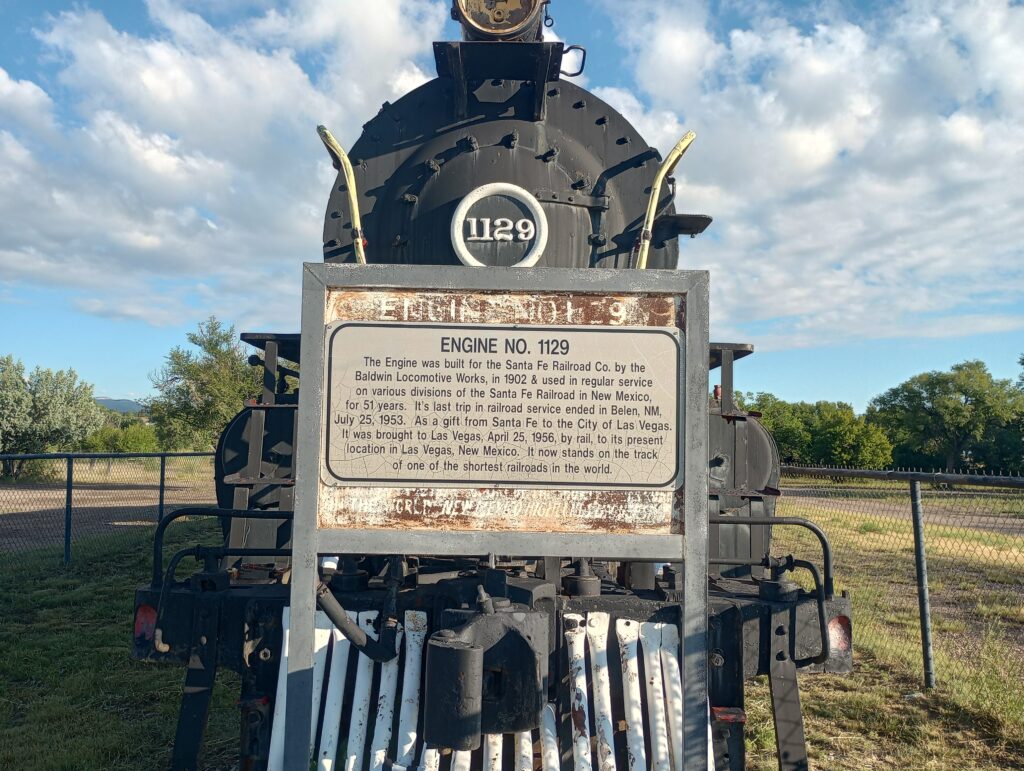
During the late nineteenth century, Las Vegas sat at the crossroads of commerce, transportation, and opportunity. The arrival of the railroad in 1879 accelerated growth and brought new wealth to the region. Along with that prosperity came gamblers, opportunists, outlaws, and men willing to exploit the weak institutions of a rapidly growing frontier town.
One of the most infamous figures to emerge during this period was Hyman G. Neill, known throughout the territory as Hoodoo Brown. Through political maneuvering and personal influence, Brown gained control of multiple positions within local government. He served as mayor, justice of the peace, and coroner, giving him extraordinary influence over public affairs.
To maintain control, Brown recruited experienced gunfighters from Kansas. These men formed what became known as the Dodge City Gang. Rather than serving as protectors of the community, many residents viewed them as a criminal organization operating under official authority. Their involvement in gambling, intimidation, and violent confrontations made them feared throughout the region.
Brown’s system depended on controlling both political institutions and public perception. When killings occurred, coroner’s juries often consisted of individuals connected to the gang. Decisions that might have led to criminal prosecutions frequently ended with findings of justifiable homicide.
The gang’s reign eventually began to collapse following the killing of freighter Michael Kelliher. Public outrage and legal investigations weakened the organization’s influence and forced Hoodoo Brown to flee the territory.
At nearly the same time, another conflict was unfolding beyond the town itself. Large landowners and speculators associated with the Santa Fe Ring were fencing lands traditionally used by local Hispanic communities. In response, Las Gorras Blancas emerged as one of the most significant resistance movements in New Mexico history.
Known as the White Caps, members conducted nighttime operations aimed at cutting fences and challenging what they viewed as unfair land practices. Their efforts eventually expanded into politics through the United People’s Party, demonstrating that their movement represented more than simple acts of protest.
By the early 1890s, yet another powerful and controversial figure came to dominate local headlines. Vicente Silva was widely respected in public life. He supported charitable causes and maintained a reputation as a successful businessman. Yet according to numerous accounts, Silva also led a criminal network known as the Society of Bandits.
The organization’s activities allegedly included cattle rustling, intimidation, disappearances, and murder. As Silva became increasingly suspicious of those around him, he reportedly ordered violent acts against associates and family members alike. Eventually, even his own followers turned against him. In a dramatic conclusion, Silva was killed by members of his organization and buried in the grave originally intended for another victim.
The violence that once defined Las Vegas eventually faded. The community evolved into a center of culture, education, architecture, and commerce. Today, visitors encounter historic buildings, beautiful plazas, and a rich multicultural heritage that reflects generations of perseverance and change.
Yet the stories of Hoodoo Brown, Las Gorras Blancas, and Vicente Silva remain an essential part of local history. They remind us that the American frontier was not simply a place of heroes and villains. It was a complex world where political power, economic interests, cultural conflicts, and personal ambition collided in ways that shaped communities for generations.
The quiet streets of modern Las Vegas, New Mexico stand as a testament to that transformation—from one of the wildest towns in the West to one of the most historically significant communities in the Southwest.
Comments